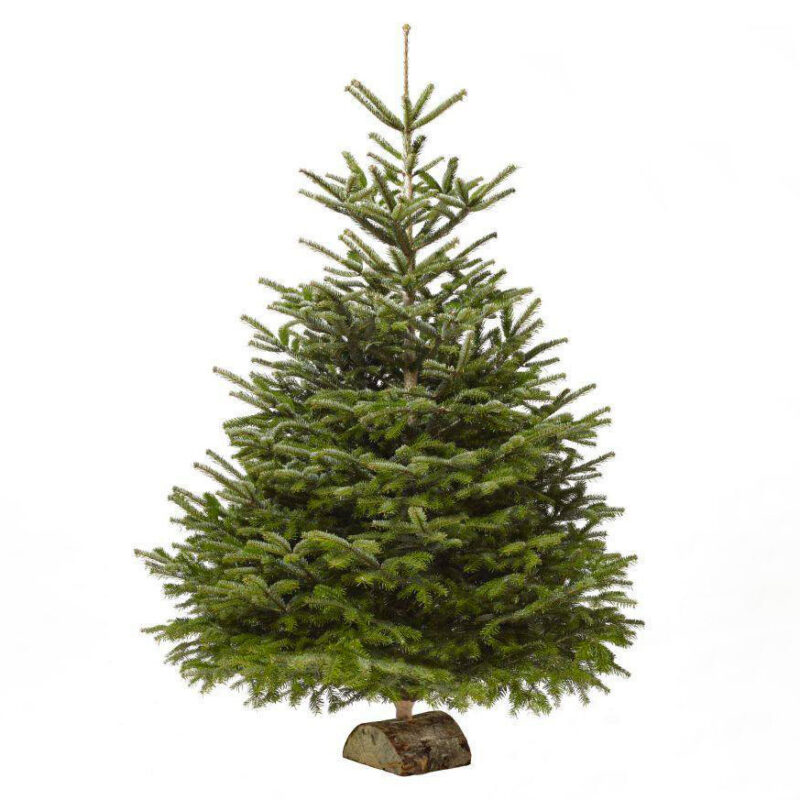

Description
Origin
The Olea europaea, more commonly known as the olive tree, originated in the Mediterranean. The cultivation of this tree dates back to the Neolithic era, making it perhaps the oldest cultivated tree in the world. As civilizations spread, the olive tree followed and it can now be found in many parts of the world.
Characteristics
The Olea europaea is a slow-growing, evergreen tree that can reach a height of 10 to 20 meters. Its leaves are silvery green and oval-shaped, while small white flowers hang in clusters on the tree. It produces the famous olive fruits, which are initially green and turn black as they ripen.
Care
Olive trees appreciate a sunny and sheltered location with well-drained soil. They are relatively drought-tolerant but need regular watering during the growing period. Pruning is possible but not necessary, as the Olea europaea does not grow quickly. It is recommended to plant the tree in spring or summer when the soil is warm to promote good establishment. Feeding the plant with a slow-releasing fertilizer in early spring can also contribute to the tree’s health and vigor.